Affordable Landscaping for Residential Transformations
From Design to Maintenance: Discover the Various Types of Outdoor Solutions We Provide
Landscaping services include a wide range of offerings, from initial design concepts to ongoing maintenance. Each phase is vital in building and maintaining an outdoor area that corresponds with personal preferences and environmental considerations. By grasping the procedure and alternatives at hand, homeowners can make informed decisions that improve both aesthetics and functionality. What particular features should one consider to guarantee a successful landscape transformation?
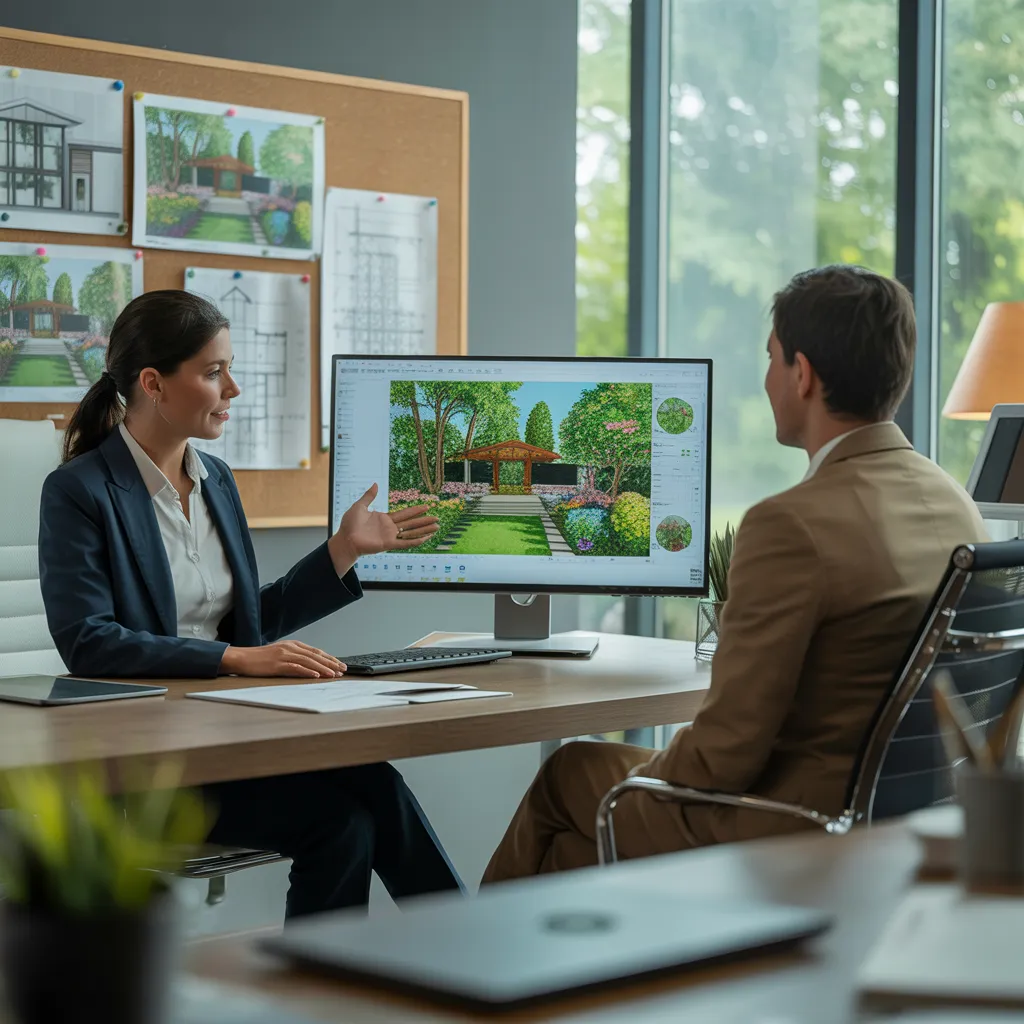
How to Establish Your Landscape Design Plan
Formulating a outdoor design vision is crucial for developing an yard area that represents personal style and addresses everyday requirements. This undertaking begins by reviewing the present conditions, encompassing terrain composition, sunlight exposure, and climate considerations. Comprehending these aspects facilitates picking fitting vegetation and supplies.
Next, folks should contemplate their lifestyle and how they aim to use the space. Whether for hosting guests, gardening, or relaxation, these activities will dictate design choices.
Visual ideas can be obtained through various sources, such as magazines, online platforms, or nature itself. Creating a mood board can aid in clarifying tastes.
Ultimately, defining a cost framework is critical, as it affects plant determination, hardscaping possibilities, and complexity of design. By combining these elements, individuals can build a clear outdoor design vision that harmonizes aesthetic value with functionality, laying the groundwork for a successful outdoor enhancement.
Building the Best Landscape Design
With a clear landscape concept established, the next step includes crafting the ideal landscape design. This process requires a blend of innovation and practical considerations. Successful landscape design begins with evaluating the site's unique characteristics, such as topography, soil type, and sunlight exposure. These factors inform the layout, ensuring the design enhances the inherent charm of the environment.
A successful design merges diverse elements, including hard landscaping features like patios and pathways, alongside softscaping components such as lawns and gardens. Intentional placement of these components creates a serene flow, moving visitors through the space. Additionally, attention to proportions and dimensions assures that each element enhances the others, avoiding oversaturation or inequality.
Ultimately, the design should reflect the client's desires while maintaining practicality. By meticulously planning every detail, a outdoor design can convert the outdoor space into a beautiful and welcoming setting, prepared to be enjoyed year-round.
Choosing Greenery That Prosper in Your Local Weather
Identifying botanical specimens that succeed in a distinct climate requires a thorough comprehension of temperature zones, which indicate which plant types can endure local weather conditions. Additionally, emphasizing local vegetation can boost ecological balance and strength in the landscape. Timing considerations considerations also have an essential function in ensuring enduring success and wellbeing of the planting area.
Understanding Hardiness Regions
Understanding hardiness zones is important for horticulturists and landscapers aiming to cultivate plants that will thrive in their specific climates. These zones, established by the USDA, classify regions based on typical lowest winter temperatures. By determining the hardiness zone of a location, individuals can select plants that are more likely to withstand local weather conditions. Each zone is assigned a number, with sections indicating small temperature differences. For instance, a plant meant for Zone 5 may not fare well in Zone 4, where winters are more severe. Understanding these zones helps in making informed decisions about plant selection, promoting healthier landscapes and lowering the chance of plant failure. This knowledge eventually contributes to a more eco-friendly and thriving garden or landscape.
Native Flora Selection
While many gardeners may be tempted to choose unusual flora for their landscapes, opting for regional plants often yields better results. Regional species are adapted to native weather and ground composition, demanding less water and maintenance compared to non-native varieties. They provide vital spaces for indigenous animals, promoting biodiversity and ecological balance. Deciding on native species can also minimize infestation troubles, as these plants are inherently tough to area-specific illnesses. Also, weaving in native plants elevates the decorative value of a landscape by capturing the region's natural beauty. Gardeners are encouraged to examine the particular regional species appropriate for their area, ensuring a vibrant landscape that aligns with environmental sustainability. Ultimately, regional species preference creates a harmonious and resilient garden environment.
Consider seasonal planting factors when selecting what to grow
When organizing a garden, it is essential for gardeners to consider the seasonal weather changes that influence plant growth and health. Selecting plants suited to distinct climate zones ensures optimal growth and life span. For instance, in warmer climates, drought-resistant plants tend to be chosen, whereas cooler areas favor hardy perennials that tolerate frost. Understanding local weather patterns such as rainfall and temperature fluctuations enables better selection of plant species. Additionally, seasonal shifts determine planting schedules; spring is perfect for many annuals, while fall favors certain perennials. By coordinating plant selection with local climatic factors, gardeners can develop vibrant, sustainable gardens that prosper throughout the year, reducing maintenance and boosting the garden’s overall appeal.
Build Your Perfect Patio Area
Constructing a dream backyard environment entails deliberate thought of tailored design solutions that mirror unique tastes. Functional outdoor features, such as rest areas and grilling zones, enhance practicality while supporting the visual appeal. In combination, these elements convert a yard into a distinctive haven.
Individualized Design Solutions
Custom designing options allow homeowners to transform their outdoor spaces into personalized refuges. By taking into consideration individual preferences, lifestyles, and environmental factors, landscaping professionals craft unique designs that mirror the homeowner's vision. These solutions involve various elements, including plant selection, hardscaping, and layout adjustments, ensuring each outdoor space is both aesthetically pleasing and functional. Collaborating closely with clients, designers integrate specific themes, colors, and materials to enhance the overall appeal. The focus remains on creating harmonious environments that merge seamlessly with the home while addressing the homeowner's practical needs. Ultimately, custom design solutions not only boost the beauty of outdoor areas but also nurture a sense of connection with nature, enriching everyday experiences.
Practical Exterior Elements
Valuable outdoor features maintain an indispensable role in magnifying the operability and enjoyment of outdoor living spaces. These constituents, such as patios, decks, and outdoor kitchens, generate engaging areas for relaxation and fraternizing. Embracing features like fire pits and water elements can present both charm and practical impacts, permitting homeowners to relish their yards year-round. Concurrently, strategically placed seating and dining areas stimulate gatherings, while pathways and lighting bolster accessibility and welfare. sustainable options, like rain gardens and permeable paving, promote environmental vitality. To conclude, valuable outdoor features reimagine a yard into a adaptable space that fulfills heterogeneous purposes, aiding homeowners to amplify their outdoor experience while nurturing a tranquil balance between nature and design.
Ways to Create Your Landscaping More Eco-Friendly?
How can homeowners convert their outdoor spaces into sustainable landscapes? One effective approach is to include native plants, which demand less water and maintenance while supporting local wildlife. Using drought-resistant species can greatly minimize water consumption, making landscapes more environmentally sustainable.
Another option involves implementing rain gardens to manage stormwater discharge competently, facilitating rainwater to soak into the ground rather than contributing contaminants. Homeowners can also decide organic fertilizers and pest management techniques methods to curtail chemical expenditure, promoting a superior ecosystem.
Porous surface products used for pathways and driveways improve water infiltration, reducing surface erosion and water runoff. Additionally, installing compost containers supports waste reduction and enhances soil health.
Vital All-Season Landscape Upkeep
What essential tasks promise a landscape remains colorful and healthy throughout the year? Year-round landscape maintenance encompasses a selection of important activities that promote superior growth and aesthetics. Regular trimming makes certain that grass remains fit and at an suitable height, while seasonal nutrient supply furnishes vital nutrients. Shearing shrubs and trees not only sustains their shape but also spurs sound growth and reduces the risk of disease.
Another necessary task is weeding, as it curtails contest for elements among plants. Mulching aids in preserving soil moisture and suppresses weed growth, enhancing the overall visual appeal of garden beds. Additionally, seasonal reviews of irrigation systems ensure efficient water use, preventing waste and supporting sustainability.
Transforming Your Space: Stunning Before and After
A neatly kept landscape lays the groundwork for dramatic changes that can refine any outdoor setting. Landscaping services specialize in revitalizing environments, presenting stunning before-and-after transformations that captivate. These projects usually initiate with a detailed assessment of the present landscape, identifying spots needing work, such as dense vegetation, worn pathways, or lack of proper lights.
Once the design is completed, experienced experts execute improvements that may include new plantings, ornamental elements, and functional installations like patios or outdoor kitchens. The results can be impressive: empty yards can transform into vibrant gardens, while bland pathways can be converted into inviting walkways.
Photographs capturing these transformations highlight the success of expert landscaping. The stark contrast between the initial state and the completed work emphasizes not only aesthetic appeal but also the enhanced worth of the residence. Ultimately, in-depth article a gorgeously renovated landscape can establish a welcoming atmosphere, enhancing the complete enjoyment of outdoor living.

Frequently Asked Questions
What Constitutes the Common Cost for Landscaping Services?
The typical price of lawn care services typically ranges from $1,500 to $5,000, based on elements like project size, complexity, and materials used. Homeowners often find variable pricing determined by market conditions
How Extended Duration Should You Expect for a Landscaping Project?
A landscaping endeavor typically requires one to four weeks, contingent upon factors such as project size, complexity, weather conditions, and the specific services required. Adequate planning can help optimize the timeline effectively.
Are Seasonal Outdoor Design Services Offered?
Certainly, seasonal landscaping services are provided, such as spring clean-ups, summer maintenance, autumn leaf removal, and winter preparations. These services guarantee landscapes stay healthy and visually appealing throughout the changing seasons, addressing specific seasonal needs proficiently.
Should I Manage My Landscape Myself Following Setup?
Yes, upkeeping a landscape by yourself after installation is possible. However, it calls for knowledge of correct methods, tools, and seasonal care to guarantee the landscape stays healthy and aesthetically appealing over time.
What Equipment Do You Use for Landscaping Jobs?
Landscaping jobs typically require tools such as lawnmowers, trimmers, blowers, shovels, rakes, and various power tools. Larger projects may also involve excavators and trucks for transporting materials, improving efficiency and precision in the work.